

TPO vs. Modified Bitumen Roofing for Commercial Buildings
Both TPO and modified bitumen are reliable flat roofing systems, but the better choice depends on your building’s needs, budget, and long-term performance goals. Whether you are managing a retail space or an industrial warehouse, the goal is to balance the upfront investment against the material’s total lifecycle value.
Native Roofing Company serves as a dedicated partner to commercial property owners, helping navigate the complexities of durability, cost, and energy efficiency. We understand that selecting a roof is a significant investment, and a collaborative approach ensures your facility remains protected against the elements.
Durability and Performance: Comparing How TPO vs. Modified Bitumen Holds Up Over Time
Modified bitumen is known for its rugged, multi-layer durability, while TPO offers strong resistance to UV rays and environmental wear. If your commercial roof experiences frequent foot traffic for HVAC maintenance or other rooftop equipment, modified bitumen is an excellent choice. Its layered structure, often consisting of a base sheet and a cap sheet, provides a thick barrier that withstands physical impacts and harsh weather. Because flat roofs often fail due to membrane breakdown from standing water or thermal expansion, using a resilient material is critical to the structure’s longevity.
In contrast, comparing the performance of TPO and modified bitumen highlights the strength of single-ply membranes. TPO is a blend of polypropylene and ethylene-propylene rubber, which gives it incredible flexibility. This flexibility allows the roof to expand and contract as temperatures shift without cracking. Furthermore, TPO is naturally resistant to punctures and chemical exposure, making it a favorite for modern commercial builds. While modified bitumen relies on its density and asphalt-based strength, TPO relies on chemical engineering to resist degradation from constant sun exposure.
Cost and Energy Efficiency: Upfront Investment vs. Long-Term Savings
Modified bitumen typically has a lower upfront cost, while TPO can deliver better long-term energy savings. We often find that property owners working with strict initial budgets prefer modified bitumen because its material costs and installation methods are well established and economical. However, it is important to consider the ongoing expenses related to cooling a building. TPO is a highly reflective white membrane, often referred to as a cool roof, that can significantly reduce the heat absorbed by your building. This leads to lower monthly utility bills, especially during the hot summer months.
When evaluating the pros and cons of modified bitumen roofing, the potential for higher energy absorption should be weighed against the lower purchase price. Conversely, TPO roofing pros and cons include a slightly higher initial price point, which is often offset by its energy-efficient properties and reduced maintenance needs over time. We work closely with our clients to evaluate the total cost of ownership, looking beyond the first day of installation to ensure the roof remains a financial asset rather than a liability.
Installation and Ideal Use Cases for Each Roofing System
TPO is often faster and cleaner to install, while modified bitumen offers versatility in application methods. A TPO system consists of large single-ply sheets that we mechanically attach or fully adhere to the roof deck. The seams are then heat-welded together using specialized equipment, creating a monolithic, waterproof barrier. This process is generally efficient and produces very little odor, which is ideal for businesses that need to remain open during the roofing project.
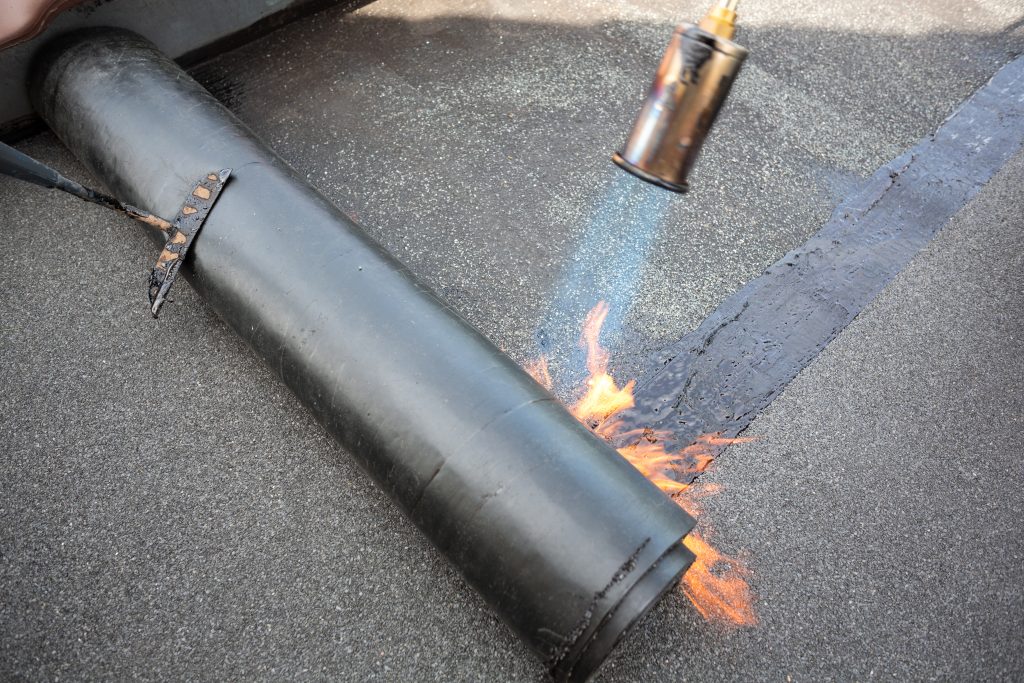
Modified bitumen offers greater flexibility in its application to the roof. We can use a torch-down method, cold-applied adhesives, or self-adhered sheets, depending on the building’s specific safety requirements. This system is particularly beneficial for smaller or more complex flat roofs with many transitions and penetrations, as the asphalt-based layers are easy to seal in tight spaces. For large-scale warehouses where energy efficiency is the top priority, TPO is usually the best commercial roofing system. For buildings that require maximum puncture resistance and have heavy equipment on the roof, modified bitumen remains a gold standard.
Choosing the Right Commercial Roofing System for Your Building
The best roofing system depends on your building’s structure, usage, and long-term goals. Every commercial property has a unique footprint, and there is no one-size-fits-all solution when it comes to comparing flat roofing materials. While TPO excels in solar reflectance and modern efficiency, modified bitumen remains a powerhouse of traditional durability and physical strength. Professional assessment is the only way to determine which membrane will perform best under your specific environmental conditions.
Partner with a Tulsa-locally owned and operated roofing company to find the perfect shield for your commercial property. Native Roofing Company offers the expertise and honesty you deserve when making these critical decisions. Reach out to us today to schedule a comprehensive inspection and consultation. We can help you determine whether TPO or modified bitumen is the right investment to protect your business for years to come.
Image credit: // Shutterstock // photoschmidt